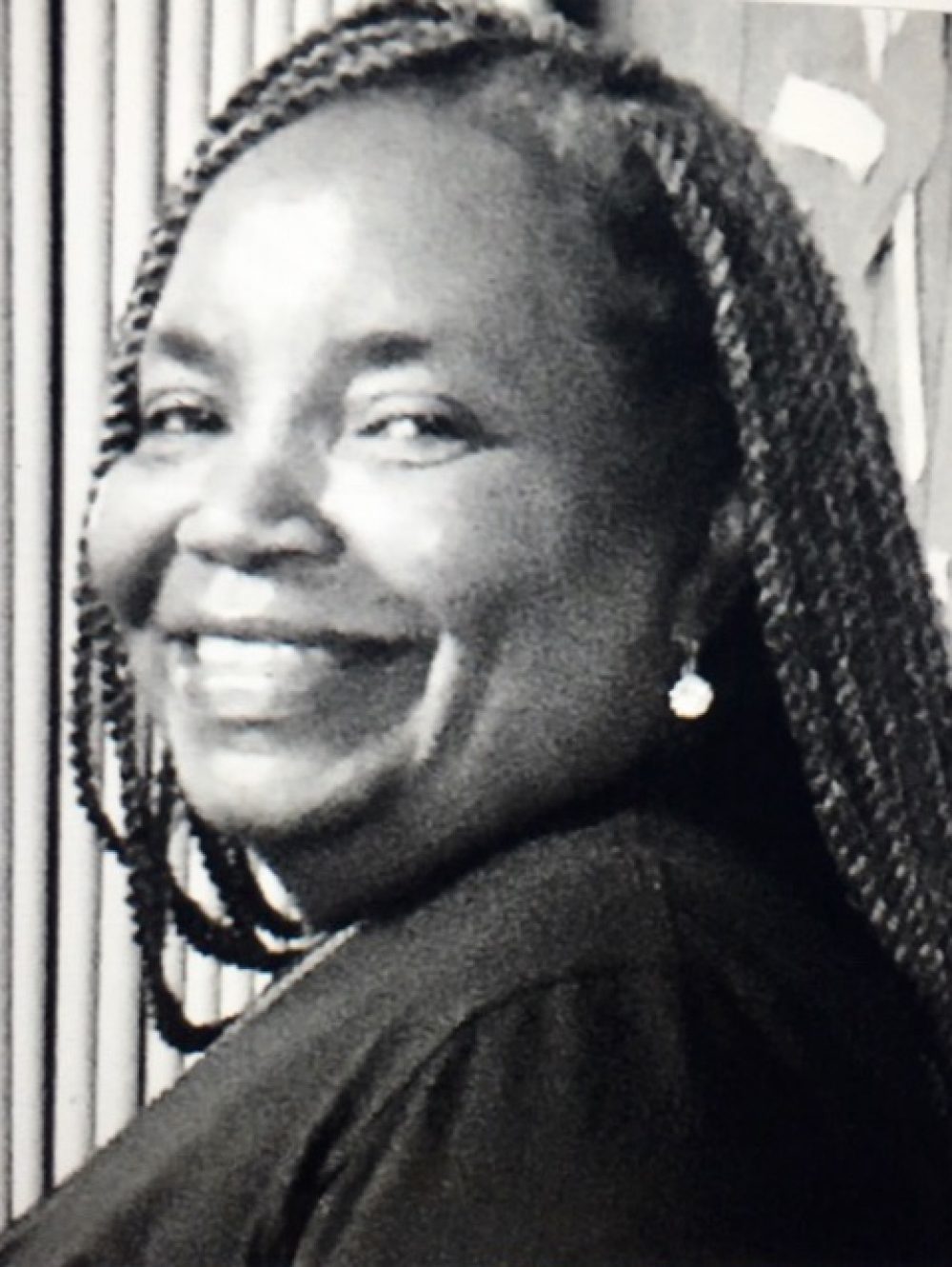
By Rev. Dr. Jessie Faye Manuel
There was a time when the rural church was more than a place we went on Sunday morning.
It was the place where people gathered when somebody was sick. It was where families celebrated weddings, mourned their loved ones, baptized their children, fed their neighbors, educated their young, and organized when the community needed a voice.
For generations, the Black rural church has been one of the strongest institutions in our communities. In Louisiana and across the South, small churches often became centers of hope when resources were scarce and opportunities were limited. Louisiana’s historic record documents the important role Black churches played not only in worship, but in education, community life, and social history.
But today, many rural churches are standing at a crossroads.
Some sanctuaries are aging. Some congregations are shrinking. Some churches have buildings that are no longer being used. Younger generations have moved away for jobs and education. Pastors are sometimes asked to do more ministry with fewer people and fewer resources.
The question is not simply, “How do we keep the rural church open?”
The deeper question is:
“What does God need the rural church to become?”
I believe we are standing at the beginning of a Rural Church Revival.
This revival may not look like the revivals of previous generations. It may not be measured only by how many people come down the aisle or how many names are added to the membership roll.
The next revival may be measured by how many lives are restored.
It may look like a church becoming a community resource center.
It may look like a fellowship hall becoming a place where seniors receive support, children receive tutoring, women receive leadership development, families receive resources, and young people discover that they still have a reason to stay connected to home.
It may mean churches partnering with schools, nonprofit organizations, healthcare providers, businesses and local governments.
It may mean reopening buildings that have been closed for years and asking a courageous question:
“What could this building become if we stopped seeing it only as a church building?”
Our ancestors understood something we sometimes forget: the church belongs to the community.
Historic Black rural churches were often built with very little, yet they carried enormous responsibility. St. John Baptist Church in rural Louisiana, for example, was not only a place of worship; its founder, Rev. Basile Dorsey, also helped establish a school for Black children.
That is the blueprint we need to revisit—not to recreate the past, but to reclaim its courage.
The Rural Church Revival is about returning to a theology of presence, purpose and possibility.
We must ask what our communities need and then have the courage to respond.
The rural church still has something powerful to offer.
It has history.
It has relationships.
It has buildings.
It has wisdom.
It has prayer.
And most importantly, it still has people who believe that God has not finished with rural communities.
The revival may already be beginning.
Perhaps it will not begin with a packed sanctuary.
Perhaps it will begin with a pastor asking:
“Lord, what can this church become?”
And perhaps the answer will be:
“Everything the community needs it to be.”
That is the Rural Church Revival I believe is possible.
Not simply a revival of the church.
A revival of the community through the church.

